Welcome back, tech enthusiasts! I want to talk about something that’s been on my mind lately: Artificial Intelligence and how it’s completely changing the game. Whether you’re coding every day, dreaming about the future, or just trying to keep up with all this tech madness, you’ve probably noticed AI isn’t just some distant concept anymore. It’s here, it’s real, and honestly? It’s pretty wild to see how fast things are moving.
Why the 2020s Feel Different
Look, we’ve been talking about smart machines for decades. Remember all those old sci-fi movies that made us think robots would either save us or destroy us? But something shifted in the 2020s. The fear factor started giving way to genuine excitement as AI started doing things that actually blew our minds. We’re talking about systems that can recognize faces better than humans, create voices that sound completely real, and beat world champions at games we thought required pure human intuition.
What really gets me is that we now have AI assistants that don’t just follow commands like some fancy calculator. They learn from what you do, they adapt to your habits, and sometimes they even surprise you with suggestions you didn’t know you needed.
Beyond Simple Automation
Here’s where things get interesting. We’ve moved way past those basic chatbots that could barely understand what you were asking. Now we’re seeing AI systems that can make real decisions, spot problems before they happen, and actually improve how things work without constant human babysitting. The efficiency gains are impressive, sure, but what I find more exciting is how this frees people up to do the creative, strategic stuff that humans are actually good at.
Take healthcare, for example. I’ve been reading about AI diagnostic tools that can spot potential health issues faster and more accurately than experienced doctors in some cases. They’re even suggesting treatment options. What does this mean for regular people? Maybe we’re looking at a future where personalized medicine isn’t just for the wealthy, and everyone gets access to early health monitoring that could actually save lives.
Building Better Cities and Societies
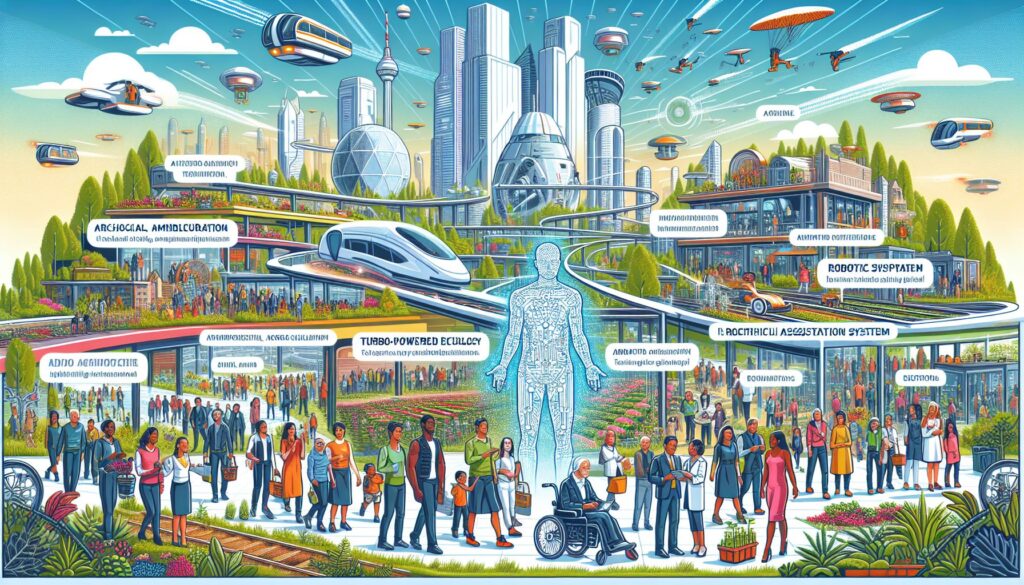
This is where AI stops being just a cool tech tool and starts becoming something that could actually reshape how we live. I’m talking about smart cities where traffic jams become a thing of the past because AI manages traffic flow in real-time. Less pollution, less road rage, more time for the things that matter. Or AI-powered farming that could help us grow more food on less land while using fewer resources.
The Longevity Question
Now here’s something that sounds like science fiction but is actually happening right now. AI researchers are using machine learning to understand aging at the cellular level. They’re hunting for compounds that might help us live longer, healthier lives. I know it sounds crazy, but we might be heading toward a world where hitting 100 years old isn’t unusual at all.
There are startups right now using AI to map out the complex biological processes behind aging. They’re screening thousands of potential treatments in ways that would take human researchers decades. Could we see a generation of healthy centenarians? The early research suggests it’s not as far-fetched as it sounds.
AI as Creative Partner
Here’s where I think a lot of people get it wrong. AI isn’t coming for artists and writers and creative people. It’s becoming their collaborator. I’ve seen AI help novelists brainstorm plots, assist painters in exploring new visual styles, and even help musicians compose melodies they never would have thought of on their own.
Democratizing Creativity
What really excites me about AI in creative fields is how it’s opening doors for people who have great ideas but maybe lack the technical skills to execute them. Someone with a vision for a stunning piece of digital art can now work with AI tools to bring that vision to life, even if they’ve never touched Photoshop. A person with a story to tell can get help with the technical aspects of writing while focusing on the human elements that make stories compelling.
This means we’re getting more diverse voices in creative spaces. More perspectives, more stories, more art from people who might have been locked out before.
The Responsibility Problem
But let’s be real for a second. This powerful technology comes with some serious responsibilities. We can’t just build these systems and hope for the best. The potential for bias, misuse, and unintended consequences is real, and we need to address it head-on.
Building Fair AI
The challenge is making sure AI systems don’t just perpetuate the same biases and inequalities we already struggle with. This means being really careful about the data we train these systems on and having diverse teams working on AI development. It means building in checks and balances, and being transparent about how these systems make decisions.
I think the key is keeping the conversation open. Developers, ethicists, and regular people who will be affected by these technologies need to stay in dialogue about what we want this future to look like.
Where We Go From Here
So here we are, standing at what feels like a major inflection point. The AI we have today is impressive, but it’s probably just a preview of what’s coming. Yes, there are challenges to work through around ethics, fairness, and making sure the benefits don’t just go to a select few. But I’m genuinely optimistic about where this is heading.
What I find most compelling is that we’re not just passive observers in this story. The future of AI is being shaped by the choices we make today, the conversations we have, and the values we decide to prioritize. So stay curious, ask questions, and don’t be afraid to have opinions about where this technology should and shouldn’t go. This is our future we’re building, after all.