The Scale of the Suspension
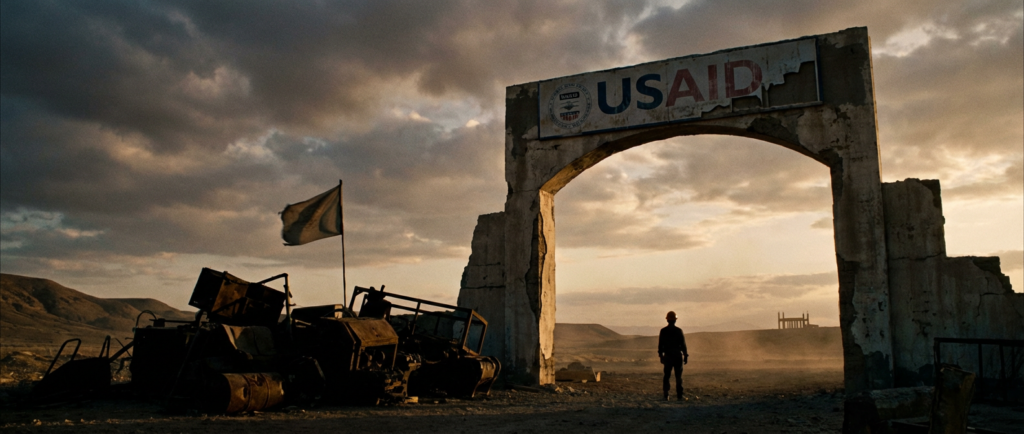
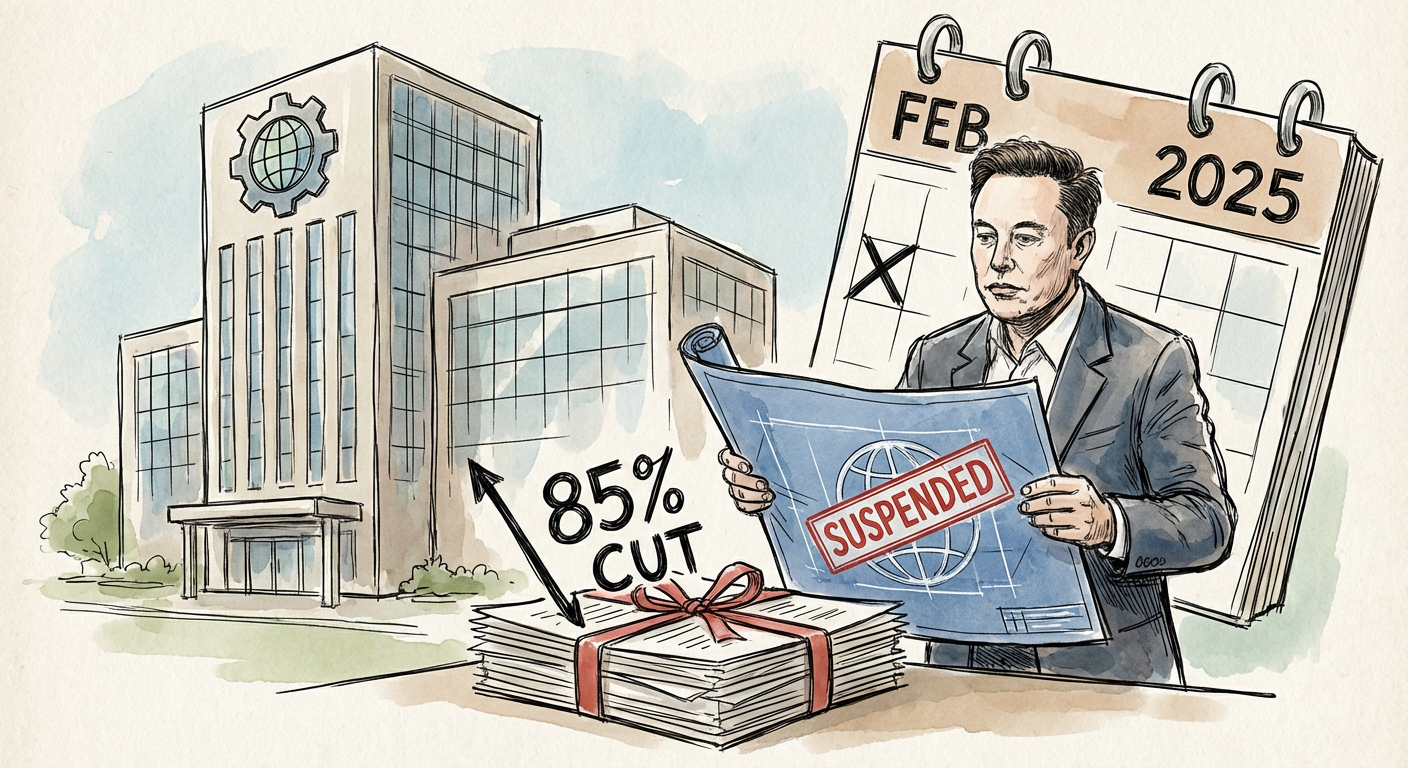
Let’s start with what actually happened, because the details matter more than the headlines. In February 2025, the Department of Government Efficiency, led by Elon Musk, effectively suspended roughly 85 percent of USAID’s active foreign assistance contracts. That’s not a policy disagreement or a budget adjustment. That’s a near-total pause on how the United States delivers development aid across the globe.
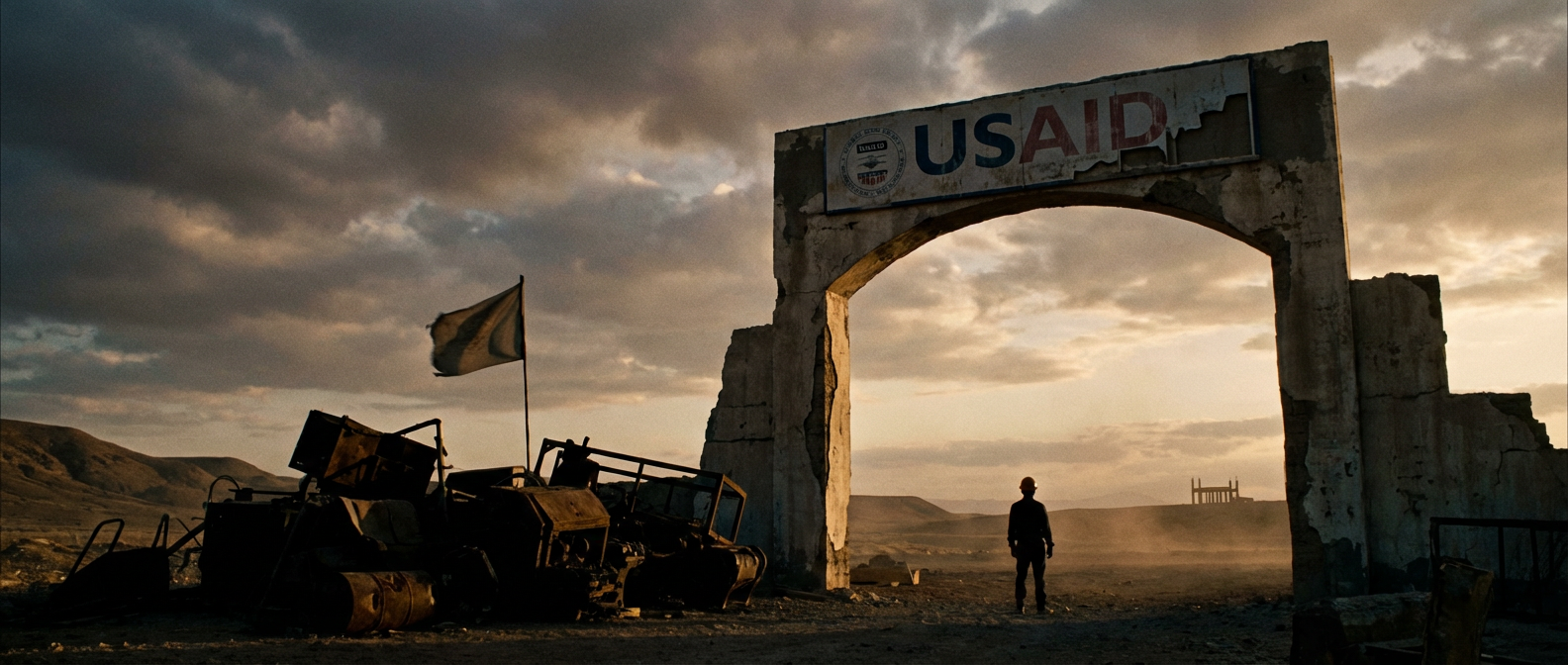
To put the number in perspective: USAID’s annual budget before these cuts was approximately $40 billion. That sounds enormous until you remember it represents roughly 1 percent of total federal discretionary spending. One percent. We spend more on military bands than most Americans realize, and yet somehow a program that touches every continent was considered bloated enough to warrant near-elimination.
Within sixty days, the UN Office for the Coordination of Humanitarian Affairs documented that at least eight humanitarian programs across sub-Saharan Africa were terminated. Those programs were serving over 20 million people. Let that sit for a moment. Twenty million people in a region already managing multiple simultaneous crises lost access to programs that were, by definition, meeting humanitarian needs.
Why This Matters Beyond the Feel-Good Stories
I know the conventional wisdom says foreign aid is charity, and charity is something we do when we can afford it. But that’s not actually how global power works, and it’s worth understanding why, even if you never plan to work in foreign policy.
When the United States is present in a country through USAID programs, we’re not just building schools or training health workers. We’re building relationships. Networks of people who have worked alongside Americans, who understand how American institutions function, who have professional ties to people in Washington. That presence matters enormously when you need to influence events, gather intelligence, or understand what’s actually happening on the ground.
The cuts also signal something about American reliability. If you’re a government official in Kenya or Uganda or Senegal, and you’ve built your development plans around American partnerships, what do you think when suddenly 85 percent of those partnerships get suspended? You start making other plans. You start accepting offers from countries that might look worse on paper but at least aren’t subject to sudden political reversals.
The Strategic Vacuum and Who’s Moving In
Here’s where the practical stakes become real. China’s foreign aid and Belt and Road infrastructure commitments to Africa totaled an estimated $48 billion in 2024 alone, according to AidData’s China Global Development Finance report. China is systematically building influence in regions where the United States just reduced its footprint by 85 percent.
This isn’t speculation or ideology. It’s strategy. China understands that development financing is a tool for geopolitical positioning. They’re moving into spaces we’ve abandoned. Russia is doing the same in different regions. The EU is trying to fill gaps where it can, but European budgets and political will have their own limits.
The practical outcome is straightforward: if you’re a resource-rich country in Africa or Central Asia or the Pacific, and you need infrastructure investment or development partnerships, you now have fewer reasons to consider American options. The United States isn’t just cutting its aid budget. It’s cutting the leverage it holds in regions we’ve historically considered strategically important.
What Serious Foreign Policy Professionals Are Saying
In March 2025, forty-seven former ambassadors and national security officials signed a bipartisan letter to the Senate Foreign Relations Committee. These weren’t partisan critics or ideological opponents of the current administration. These were career diplomats and security strategists who had worked across multiple administrations. They warned that the USAID dismantlement was the largest self-inflicted wound to American soft power since the United States dissolved the USIA in 1999.
Read the coverage in Foreign Policy coverage of USAID contract terminations to see the specific concerns these officials raised. They weren’t arguing that aid spending is always good or that we shouldn’t scrutinize how money gets spent. They were arguing that whatever problems exist with USAID, dismantling it unilaterally creates worse problems.
That’s worth taking seriously, even if you’re skeptical of foreign aid generally. These are people whose careers depended on understanding how American power actually functions in practice.
What This Means for the Rest of Us
If you’re wondering why you should care about USAID when you’ve got local problems to worry about, I get it. But here’s the connection: American global influence affects American security, American economic opportunities, and American stability. When we pull back from regions strategically, we lose our ability to shape events before they become crises that reach our shores.
The question isn’t whether you think foreign aid is good policy. The question is whether you think American strategic interests matter, and whether those interests are better served by sudden withdrawals or by something more deliberate.
This is exactly the kind of issue where citizens can actually make a difference. If you want to understand what’s happening with these cuts, if you want to evaluate the claims being made about USAID’s efficiency or effectiveness, the reporting is out there. The documents are available. The arguments from various sides are on the record. You don’t need special access to form an informed opinion.
What would you want to know more about? What questions do these cuts raise for you about how America should operate globally?